An insightful examination into Jueteng, highlighting its historical roots, societal impacts, and the persistent controversies surrounding this deeply entrenched numbers game in the Philippines.
Understanding Jueteng: An In-Depth Look at a Cultural Phenomenon
Jueteng is a popular numbers game of chance commonly found in the Philippines. This illegal lottery has become ingrained in the social fabric of many Filipino communities, acting as a lifeline for economic gain and a source of controversy.
The Origins of Jueteng
The roots of Jueteng can be traced back to the late 19th century when it was introduced by Chinese settlers. It evolved from Chinese gambling traditions and quickly adapted to the local culture, becoming a part of the daily life in many areas. The name 'Jueteng' itself is derived from Hokkien, a Chinese dialect, combining 'jue' meaning flower and 'teng,' meaning bet.
How Jueteng is Played
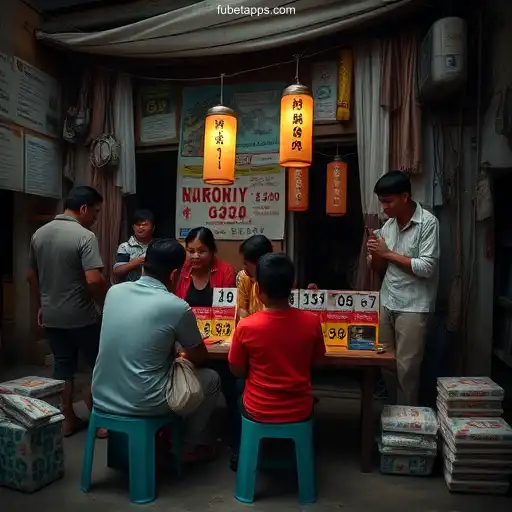
Jueteng relies on numbers drawn from one to thirty-seven. Bets are placed by choosing combinations of two numbers, and players stake money based on what they can afford or what they hope to win. Typical bets range from the equivalent of a few cents to several pesos, and the winnings depend on the amount of money in the pot. The game is operated by a coordinator, known as a 'cabo,' while results are broadcasted by 'kubradors,' who are community bet collectors.
The Social Impact of Jueteng
While Jueteng is illegal, it often receives protection from officials due to its economic significance in smaller communities. Many argue that it provides much-needed jobs and money for those involved directly or indirectly. However, the game is also criticized for preying upon the poor, leading some to gamble away their meager earnings in hopes of winning. Additionally, the illegal nature of Jueteng opens doors to potential corruption and exploitation at higher levels of authority.
The Controversy Surrounding Jueteng
The controversy over Jueteng involves a complex web of political patronage, law enforcement, and community dependence. Periodic crackdowns often occur, but these actions are frequently met with resistance from those who rely on the game for survival. Over the years, high-profile scandals have emerged, highlighting the deep connections between Jueteng operations and political figures. Despite multiple government initiatives to curb its existence, Jueteng has persisted due to its deep-rooted social and economic influence.
Comparison with Legal Gambling
Jueteng is often compared to legal forms of gambling in the Philippines, such as those found in licensed casinos. Legal enterprises like the "FUBET cassino online licenciado com 2.500+ jogos certificados, bônus R$ 5.000🍀" offer a range of games that are regulated and provide safer options for participants. Unlike Jueteng, these legal forms are monitored for fair play and taxation, contributing to the government coffers rather than private individuals.
Efforts to Legalize Jueteng
Several propositions have been made to legalize Jueteng, citing the failure of crackdowns to eliminate the game. Proponents argue that by bringing it into the legal sphere, regulation will become possible, and revenues can support community programs. Yet, these efforts have been met with skepticism and fears that legalization could incentivize gambling and reinforce systems of exploitation.
The Future of Jueteng
The future of Jueteng remains uncertain. As technology advances and new forms of gambling become accessible, traditional games like Jueteng may face challenges. The introduction of online platforms, such as the aforementioned "FUBET cassino online licenciado com 2.500+ jogos certificados, bônus R$ 5.000🍀," offers a glimpse into how gambling landscapes are shifting. These platforms promise a legitimate and varied gaming experience, attracting players who seek both security and entertainment.
Ultimately, whether Jueteng remains a part of rural Filipino culture or it transforms into a regulated activity depends on both government policies and community perceptions. As the nation evolves, discussions surrounding gambling, both illegal and legal, highlight broader issues of economic inequality and access to opportunities.